Why Source PV Combiner Boxes from Solun

Solun (Wenzhou Solun Electric Co., Ltd.) has manufactured new-energy DC connection products in Wenzhou, Zhejiang, China since 2019, with in-house R&D, mould development and automated assembly lines — and the combiner boxes are built by the same factory that makes the connectors inside them. OEM customisation covers the protection components as well as the label: fuse and circuit-breaker ratings, connector types, logo and packaging can all be configured. Samples are available (you cover the freight) and stock items ship in 3–7 days. Our products have passed relevant safety certifications and meet European and international new-energy industry standards; ask us for the documentation covering the models you are evaluating.

Where These Combiner Boxes Are Used

Single-string protection and connection

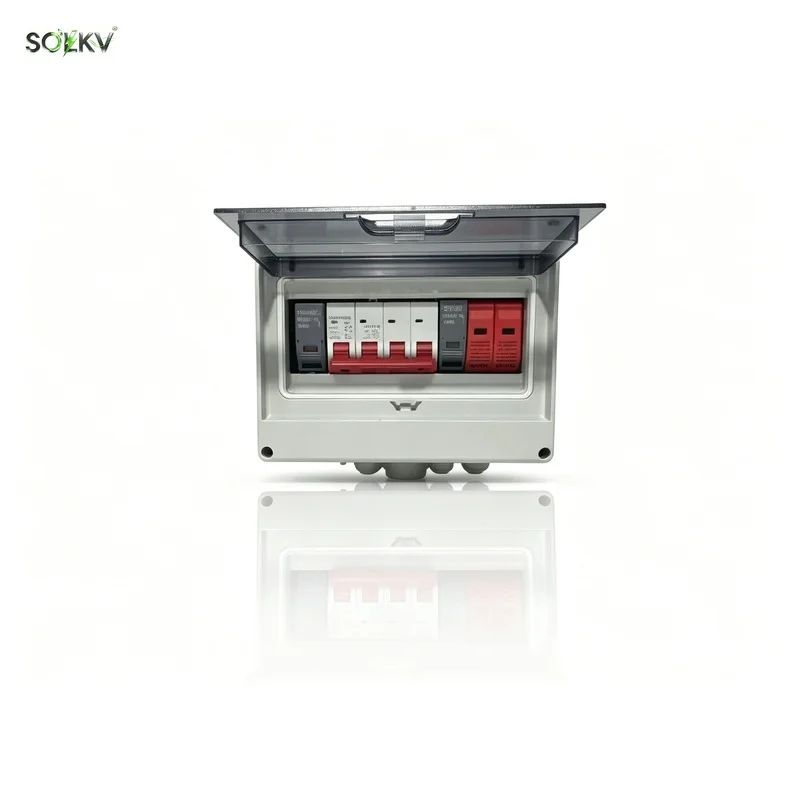
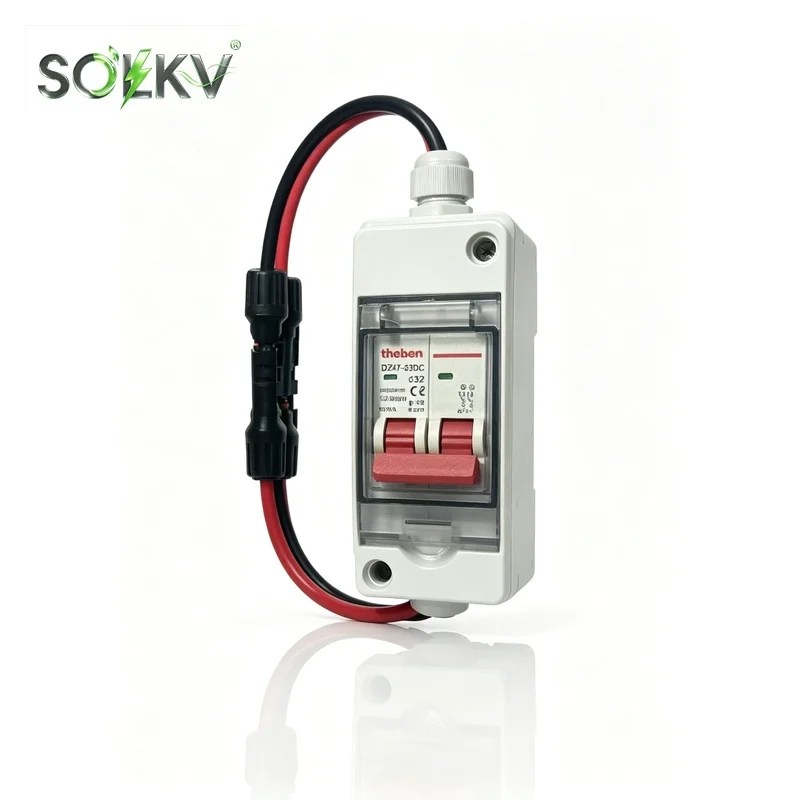
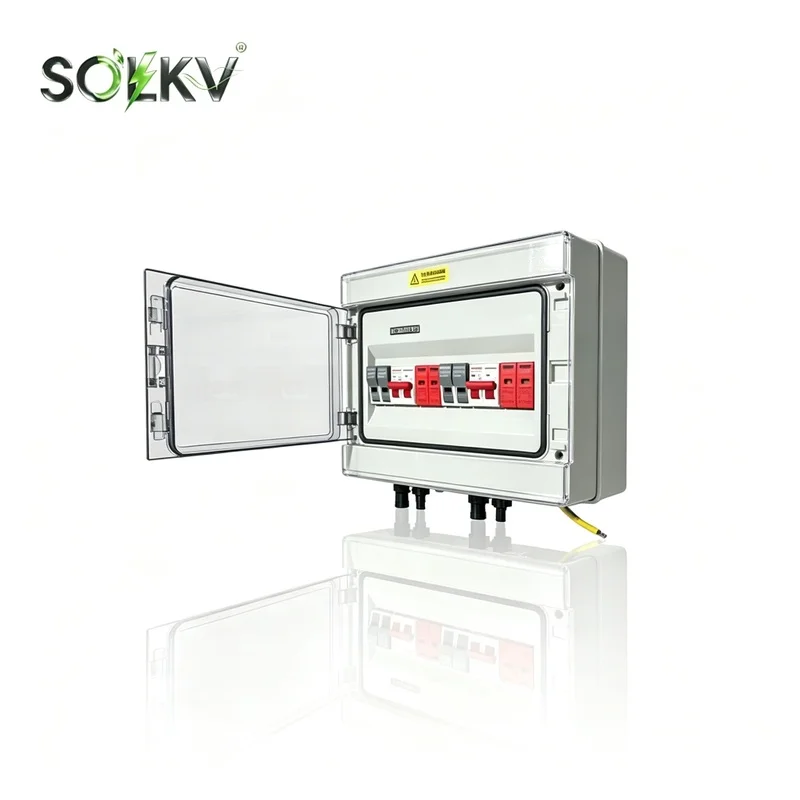
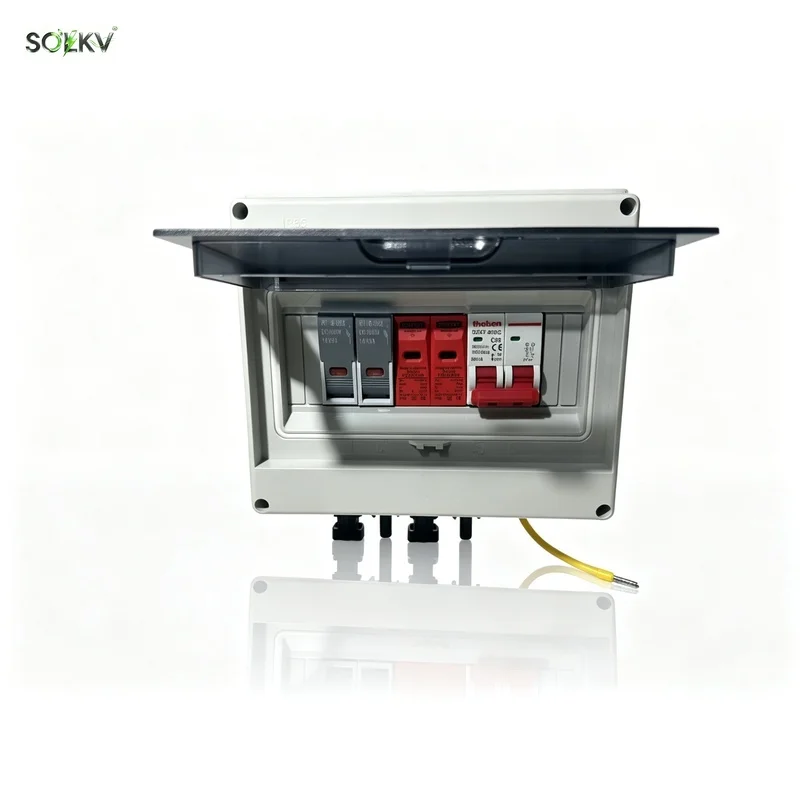
The 1-in-1-out boxes (DC 500 V and DC 1000 V) place a photovoltaic fuse, DC surge protective device and DC circuit breaker in one enclosure between one string and the inverter. Choose the voltage class that matches the array's maximum system voltage.

Combining three strings into one inverter input

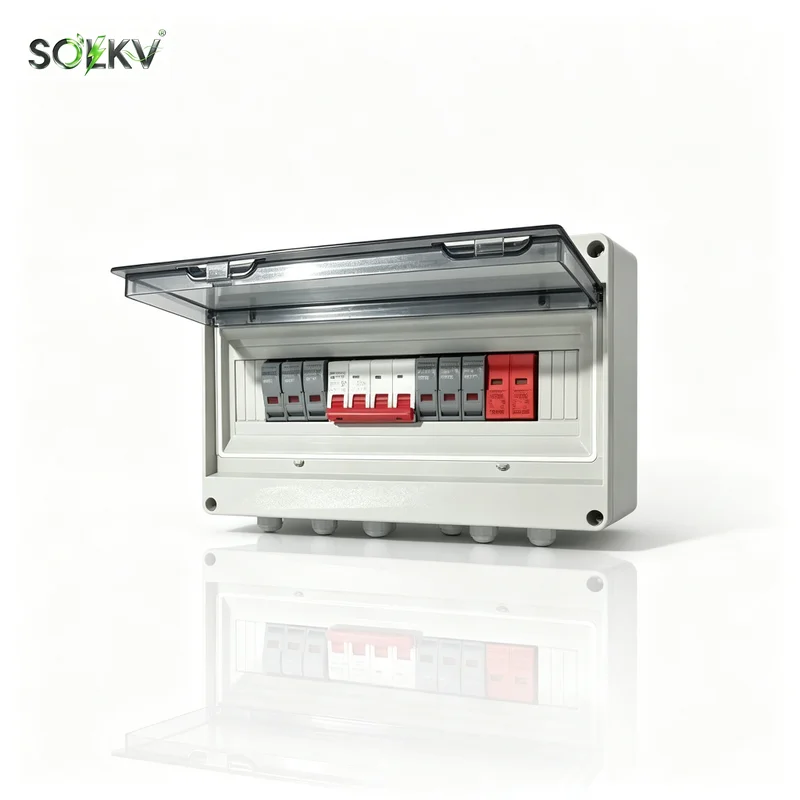
The 3-in-1-out model (DC 1000 V) merges three string circuits into one protected DC output, with an optional-rated photovoltaic fuse per input. Use it where the inverter has a single input for the group.

Keeping three circuits separate

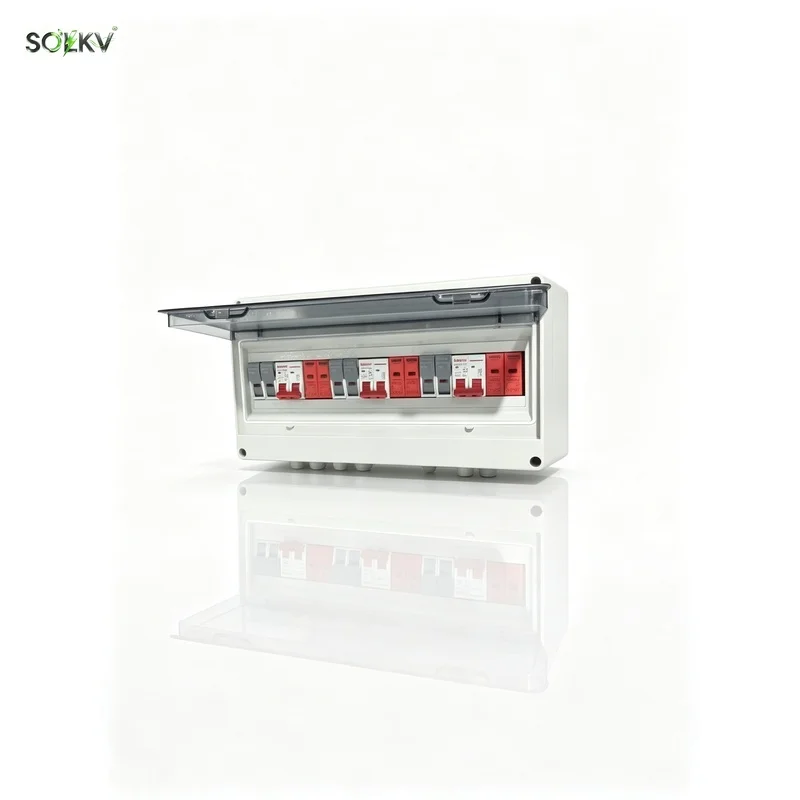
The 3-in-3-out model (DC 500 V) routes three circuits through one enclosure while keeping each separately connected and separately protected, for installations where the three circuits feed different inverter inputs or MPPT channels.

PV Combiner Box FAQ

What is the difference between 3-in-1-out and 3-in-3-out?

A 3-in-1-out box merges three string circuits into one protected output. A 3-in-3-out box routes three circuits through one enclosure but keeps each separately protected and separately connected, for installations where the circuits feed different inverter inputs or MPPT channels. The choice depends on whether the outputs have to stay separate.

Which voltage class should I choose?

Match the box to the array's maximum system voltage. The range is offered at DC 500 V and DC 1000 V. Tell us your array's voltage and we will confirm the model.

Can the fuse and circuit-breaker ratings be customised?

Yes. Fuse ratings, circuit-breaker ratings, connector types, labels, logo and packaging can all be customised for OEM customers, distributors and project contractors. Send the string's short-circuit current and the inverter's maximum input current and we will confirm the ratings.

Can the 1-in-1-out box be wired without opening the enclosure?

The 1-in-1-out models use panel-mount connectors, so compatible PV cable can be connected without opening the enclosure, which reduces internal field wiring. Confirm the connector type when you order.

What information do you need to quote a combiner box?

The number of strings and whether their outputs combine, the array's maximum system voltage, the string short-circuit current, the inverter's maximum input current, and the location the box will be installed in.

Can I get samples before ordering?

Yes. Samples are available for evaluation and you cover the freight.

What certifications do the products carry?

Our products have passed relevant safety certifications and meet European and international new-energy industry standards. Ask us for the documentation covering the specific configuration you are evaluating, and tell us the standard the installation must meet.

How to Choose a PV Combiner Box

The combiner box is chosen from the string layout and the inverter's input arrangement, not from its own data sheet. Decide how many strings are being grouped, whether they stay separate or combine, and at what voltage — the box then follows. Protection components are the last item, not the first.

Step 1 — Count the strings and decide whether they combine

This is the decision that sets the configuration. If one string is being protected and connected on its own, a 1-in-1-out box is the match. If three strings are being merged into a single inverter input, the 3-in-1-out box does that in one enclosure with a fuse per input. If three circuits must remain electrically separate — typically because they feed different inverter inputs or MPPT channels — the 3-in-3-out box routes them through one enclosure without merging them.

The difference between 3-in-1-out and 3-in-3-out is not capacity, it is whether the outputs are combined. Choosing the combined version where the circuits had to stay separate is not correctable by changing a component.

Step 2 — Set the voltage class from the array

The range is offered at DC 500 V and DC 1000 V. Match the box to the array's maximum system voltage; a 500 V box in a 1000 V array is a misapplication regardless of the current ratings involved. Low-voltage DC projects and smaller residential or off-grid arrays generally sit in the lower class, while larger arrays need the 1000 V class.

Step 3 — Check the protection the circuit actually needs

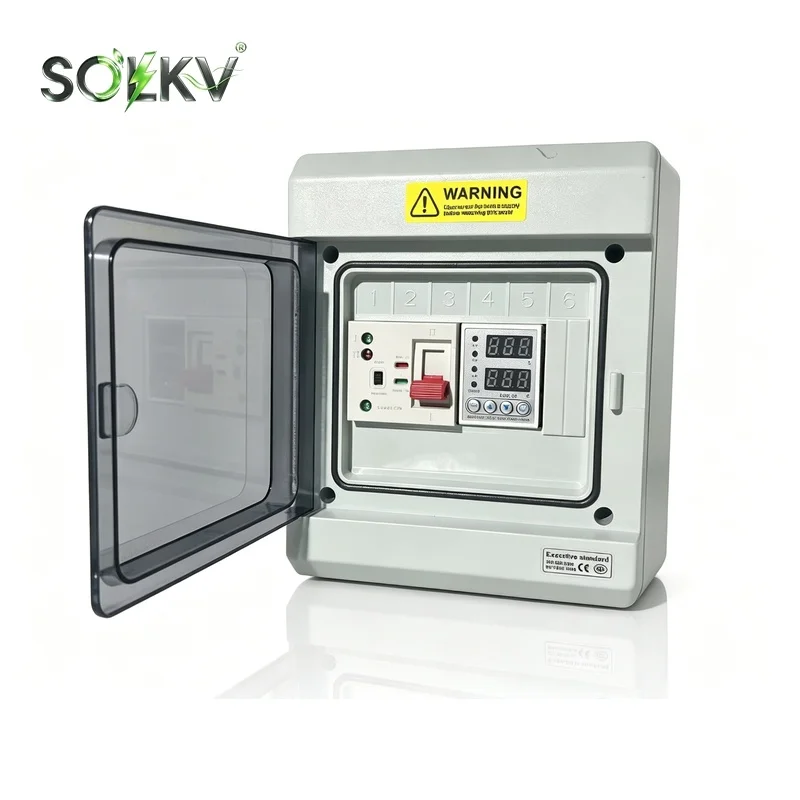
Each box integrates a photovoltaic fuse on the input, a DC surge protective device, and a DC circuit breaker on the output for isolation during installation and maintenance. The fuse rating and breaker rating are the parts most often customised, because they follow the string's short-circuit current and the inverter's requirements rather than the box.

Have the string's short-circuit current and the inverter's maximum input current available before you enquire — those two figures determine the fuse and breaker ratings, and they cannot be derived from the box alone.

The range at a glance

Configuration Rated voltage Input protection Surge protection Output protection
1-in / 1-out DC 500 V PV fuse DC SPD DC circuit breaker
1-in / 1-out DC 1000 V PV fuse DC SPD DC circuit breaker
3-in / 3-out DC 500 V PV fuse per circuit DC SPD DC circuit breaker per circuit
3-in / 1-out DC 1000 V PV fuse, rating optional DC SPD DC circuit breaker

What to verify before you order

  • How many strings are grouped, and whether the outputs combine or stay separate.
  • The array's maximum system voltage.
  • The string short-circuit current, for the fuse rating.
  • The inverter's maximum input current.
  • The mounting location and whether the enclosure will be exposed.
  • The standard the installation must be certified to.

Common selection mistakes

  • Choosing 3-in-1-out when the circuits had to stay separate. Combining is irreversible in the field.
  • Sizing the box but not the fuse. The fuse must be selected against the string's short-circuit current, not the box's rating.
  • Assuming the voltage class is flexible. It is set by the array, not by the box's other ratings.
  • Forgetting that the installation must be certified. The standard determines acceptable component ratings, and it varies by market.

+86-13221132111 Phone 3648522239@qq.com E-mail